Afghan in Afghanistan: Idols in the Land of Idols
M. Jamil Hanifi
Economic Federalism a Desirable Option for Economic Development of Afghanistan
Dr. Dastagir Rezai
Afghanistan Freedom Movement (AFM)
Dr. Farid Younos
AN ALTERNATIVE APPROACH TO AFGHANISTAN
M. Jamil Hanifi
Proposals For a Free, Independent and Modern Afghanistan
Dr. Farid Younos
Crypto-Colonial Independence Rituals in Afghanistan
M. Jamil Hanifi
Jews in Afghanistan: A Brief Cultural and Historical Perspective
Dr. Farid Younos
FEDERALISM: A RECIPE FOR DISINTEGRATED AFGHANISTAN?
G. Badakhshani
DEMONSTRATORS RESOLUTION: Justice for Hazara Victims in Afghanistan
Hazaras in Holland
The Need for Strategic Peace Building in Afghanistan (Cmnts: 1)
Naser Koshan
CONCOCTING A FROLICKING “PASHTUN COUPLE” IN AFGHANISTAN
M. Jamil Hanifi
| |||
| |||
Hoping for the day that goodness and freedom would lead, and wisdom would light our path towards the "Unknown"... we meditate... Dear visitor, This website is dedicated to a variety of issues concerning the land of Afghanistan. The reason for choosing the name "Khorasan zameen" for this website, which roughly translated means Khorasanian lands or territories, is the fact that beginning from the 5th century A.D. during The Hephthalite Dynasty whose kings called themselves "Khorasan Khotaay" meaning "King of Khorasan", till the second half of the 19th century A.D., this land, though much vaster than what it is now, was known as KHORASAN, also spelt KHURASAN, meaning "land of the sun(rise)". Accoring to various historians, untill the second half of the 19th century A.D., the term Aughanistan or Afghanistan was used only to address some of the southern and south-eastern provinces, whose main inhabitants were of Pashtun ethnicity. The main body of these provinces are now located in NW Pakistan. In other words the term Aughan or its Arabic version Afghan was basically used to point to our Pashtun brothers, also known as Pakhuns. It should be mentioned that originally only the Abdali Pashtuns were called Afghan; the Ghilzais were called Khalaj or Khiljis. But with the passage of time, the term Khalaj or Khilji faded out and the name Afghan covered all Pashtun citizens of the country. Even today members of other ethnic groups, who make around two thirds of the population, call our Pashtun countrymen Aughan or Afghan. And they address themselves either with their ethnic names (Tajik, Hazara, Uzbek etc), or they call themselves Afghanistani or Khorasani. Occasionally one also hears the terms Aryan and Bactrian here and there. The process of changing the name of Khorasan to Afghanistan, initiated by the English colonialism, began during the rule of Shah Shuja (1839-1842) and became a bitter reality during the rule of Amir Abdurahman (1880-1901). Our people, no matter what ethnicity they belong to, are still struggling with the bitter consequences of that unjustified act. The country we know as Afghanistan today was called Khorasan at least from the 5th century till the second half of the 19th century A.D. and till then its rulers called themselves "King or Amir of Khorasan". This is reflected in their royal seals and their coins. Surely its borders were dimensioned remarkably wider than what they are today. In the ancient times, this land also bore the names Ariana or Aryana (land of the Aryans) and Bactria –we are perhaps familiar with the term Greeko-Bactrian civilization. Also the devastating civil wars of the last 3 decades ignited by ethnic conflicts, resulting from the unjust and biased ethnic policies enforced by the supremacist and despotic rulers of the last couple of centuries, especially from Amir Abdurahman onwords, certainly proved the fact that the word Aughan or Afghan, in which the name Afghanistan is rooted, not only does not make us a nation but is actually the very obstacle in our way to becoming one. So we chose Khorasan with the hope that in its historical light some day we might become a nation again, and we believe that this is the only way. Because besides its great history, the name Khorasan, unlike the name Afghanistan, does not represent just one group of the people living in it and is not derived from the name of any particular race or ethnic group. Khorasan covers every one; the Tajiks, the Afghans, the Uzbeks, the Hazaras and its other inhabiting ethnicities, just like it did in the past for almost 1500 years. This means they all can identify with the word Khorasani or Khorasanian because of their history. And as we said, due to the last civil/ethnic war, the scars of our wounded country are still bleeding. We need every little thing that could bring the slightest comfort to these wounds and by doing so could bring us together, even if just for one step. So in a situation like this nothing could be better in bringing us together than our own country’s great history. In the history section we will provide more detailed information about this issue and other historical issues concerning our country. The flag you see above is the first flag of our country with these 3 colours of red, black and green. Its colours and emblem were decided in a grand assembly in 1920's during the rule of king Amanullah Khan. In 1919 the people of Khorasan defeated the invaders and one more time maintained their independence and freedom, and proved to be a nation which rejected to ever be colonised. That is what makes this flag special. One can say that it is the flag of one of the short-lived free and not-dependent governments we have had in the last couple of centuries. Its emblem depicts the high and snow-covered peaks of Hindukhush and also the sun, both of which are symbols of the land of Khorasan. The vision of this website is to both gather and give information about our people and our country. Therefore we chose to write it in two languages of Persian and English. That way besides offering some usefulness to our fellow countrymen and other Persian speakers, it would also be of some humble use to others who are interested in our country, culture and people. Depending on their importance and our ability, we would translate some of the essays between these two languages. As mentioned above, this site is to bring awareness in, and about, our kept-behind country and nation, even if in a rather small way. So we do hope to have won your slightest interest and appreciation for our humble work. Please do send us your intellectual contribution about the matters of your interest and profession and help us to make this a useful source for the interested, and to interest the uninterested. We thank you in anticipation. Note: - The editors of this website do not necessarily share the opinions expressed in the received articles and will not take any responsibility for them. - Khorasanzameen maintains the right to edit the articles received. |
به امید روزیکه نیکی و آزاده گی پیشگام شوند، وخرد چراغدار راهمان به سوی "ناپیدا" گردد... در اندیشه ایم... خواننده گرامی این تارنما ویژه ی گفتنی ها ونگفته های درباره ی کشور افغانستان است. برگزیدن نام خراسان زمین برای این تارنما از آنروست که نام کشور کنونی افغانستان، البته نه با مرز های امروزی، از دوران شاهان هپتالی یا یفتالی در سده پنجم ترسایی که خود را خراسان خوتای یا خراسان خدای مینامیدند، تا سد و چند سالی پیش یا نیمه ی دوم سده ی نزدهم ترسایی، خراسان (سرزمین خورشید یا آفتاب برامد) بوده است. پیش ازآن، به گفته ی تاریخ نویسان، تنها برخی از استانهای جنوبی وجنوب-خاوری کشور که بیشتر باشنده گان آنها را برادران پشتون مان دربر میگرفتند، افغانستان نامیده میشدند وواژه های اوغان یا افغان تنها برای برادران پشتون بکار برده میشدند. جای گفتن دارد که بخش بزرگ استانهای یاد شده امروز در خاک پاکستان میباشند. باید یادآور شد که در آغاز تنها ابدالی ها را افغان مینامیدند؛ غلزایی ها به نام خلج یاد میشدند. ولی با گذشت زمان واژه ی خلج از زبان افتاد و نام افغان همه شهروندان پشتون کشور را در بر گرفت. همین گونه مردمان تبارهای دیگر که نزدیک به شست و چند در سد یا دو سومِ مردم افغانستان را در بر میگیرند، تا همین اکنون نیز هممیهنان پشتون مان را اوغان یا افغان می نامند و خودشان را با نام های تباری شان چون تاجک، هزاره ، ازبک و... یاد میکنند. برخی هم خود را افغانستانی یا خراسانی میگویند، و واژه های آریایی و باختری نیز گاه گاهی به کار برده میشوند. برنامه ی گذاشتن نام افغانستان بر سرزمین خراسان، در دوره ی شاه شجاع (١٢١٨-١٢٢١) به خواست انگلیسها آغاز گردید و سرانجام در دوره ی امیر عبدالرحمن (١٢٥٩-١٢٨٠) به کامیابی رسید. از آنگاه بدینسو مردم این خاک، از هر نژاد و تبار و کیشی که باشند، با پیامد های تلخ و دردناک این کار نادرست دست در گریبانند! سخن کوتاه، کشوری را که ماامروز بنام افغانستان میشناسیم، سرزمینی بوده است با درازا و پهنای خیلی بیشتری که دست کم از سده ی پنجم تا سده ی نزدهم بنام خراسان یاد میشده است و فرمانروایانش تا نیمه ی دوم سده ی نزدهم خود را امیر خراسان می دانسته اند که مهرها و سکه های شان برین گفته گواهی می دهند. پیش ازآن این خاک بنام های آریـانـا (سرزمین آریاییان) و باختر نیز یاد شده است. همچنان جنگهای ویرانگر تباری-نژادی سه دهه ی پسین که پیامد خونین سیاستهای برتری جویانه و نادرست فرمانروایان یکی دو سده ی گذشته -بویژه از دوره ی امیر عبدالرحمن بدینسو- بودند، به همگان مانند آفتاب روشن ساخته اند که واژه ی اوغان یا افغان، که نام افغانستان ازان ریشه میگیرد، نه تنها نمیتواند برای ما ملت بسازد بلکه رهگیر بزرگ راهمان برای ملت شدن هم هست. پس ما هم نام خراسان را با همین آرمان بکار میبریم که شاید در پرتو آن روزی دوباره ملت شویم! و به این باوریم که راه دیگری هم نداریم. چون درپهلوی تاریخ پربارش این نام، برخلاف واژه ی افغانستان، تنها از یک گروه از باشندگانش نمایندگی نمیکند و هم از نام گروه و نژادی ریشه نمیگیرد. خراسان میتواند مانند گذشته همه را یکسان در بر گیرد؛ تاجک را، افغان را، ترک را، هزاره را و نیز نورستانی و بلوچ و دیگرانرا. به ویژه درین هنگامیکه تن میهن ما از زخم جنگهای سالهای پسین هنوز خونچکان است، به هر چیزیکه بتواند برآن کوچکترین مرهمی هم بگذارد نیازداریم. و چی کاری میتواند درین راستا بهتر از بهره گیری از تاریخ بزرگ و شایان میهن خودمان باشد. در بخش تاریخ، دراین باره نبشته های بیشتری را در دسترستان خواهیم گذاشت. درفشی را که در بالا مینگرید، نخستین درفش کشورمان با رنگهای سیاه و سرخ و سبز است که پس از پیروزی مردم مان در مبارزه برای نگهداشت آزادی میهن در سال ١٩١٩ ، در دهه ی بیستِ سده ی گذشته روی کار آمد. این پرچم نمایانگر آزادمنشی، رادمردی وسربلندی مردم مان است و میشود گفت که درفش یکی از دوره های کوتاه آزادگی و ناوابستگی میهن مان در سده های پسین میباشد. درنشان آن نماهای کوه هندو کش و خورشید دیده میشوند که هردو نشانه های از سرزمین خراسانند. آرمان این تارنما گردآوری و پخش آگاهی است در باره ی کشور و مردم مان، اگرچه ناچیزهم باشد. برای همین آنرا به دوزبان مینویسیم تا در پهلوی هم میهنان و همزبانان مان، دیگرانیکه خواستار آگاهی در بارهء خراسان زمین باشند نیز بتوانند ازآن سود ناچیزی ببرند. کوشش داریم تا درینجا نبشته های را که در باره میهن و مردم مان گفتنی های ارزشمندی دارند، چی از نویسندگان خودمان باشند وچی برونمرزی ، گردهم آوریم تا باشد که این تارنماه روزی شایسته ی کوتاه درنگی از خوانندگانش گردد. گاهی هم برای ارزش برخی از نبشته ها، به اندازه ی توان مان، آنهارا از یک زبان به زبان دیگر برگردان می نماییم. سخن کوتاه، دست اندرکاران این تارنما آرزومند اند که کارشان باریکراهی به گوشه ای از دل شما خواننده ی گرامی بیابد و اندکی از پسند تانرا برانگیزد؛ تاباشد که با همکاری پرارزش نوشتاری تان، درهربخشیکه خواسته باشید، در بارور ساختن آن مارا یاری رسانید.ا سپاس فراوان یادداشت: -- نبشته های رسیده نمایانگر اندیشه های نویسندگان شان اند؛ خراسـان زمین در باره ی آنها پاسخگو نمیباشد. -- از نشر دوباره ی نبشته های که از روزنه ی انترنت نشر شده باشند پوزش می خواهیم، مگر آنکه دلیل ویژه ای داشته باشیم. -- خراسان زمین در ویرایش نبشته های رسیده دست باز دارد. |
||
راستی درآینۀ خرد
بصیر کامجو
هفته نامۀ امید - شمارۀ ۱۱۱۹
هفته نامۀ امید
آیا جنگ اوکراین تا سال 2030 ادامه خواهد یافت؟
محمد اکرام اندیشمند
هفته نامۀ امید - شمارۀ ۱۱۱۸
هفته نامۀ امید
دانستنیهای لازم در باره عرفان و وحدت وجود
بصیر کامجو
دفتر اول و دوم رویای دل
رسول پویان
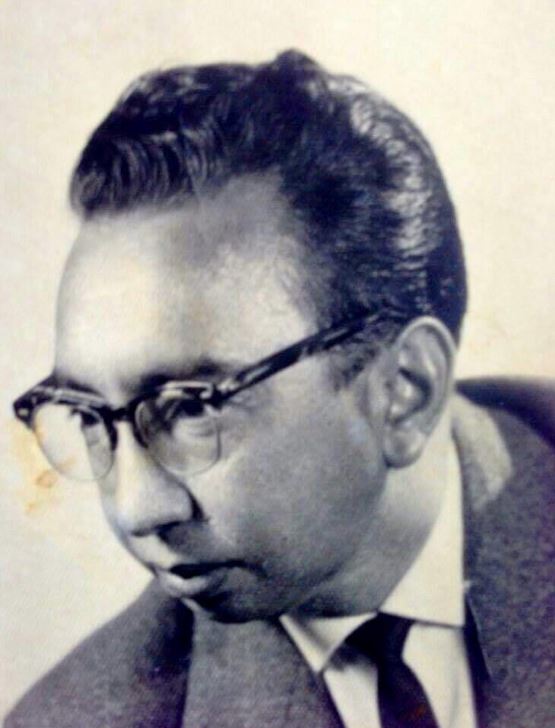
زندگینامه و مجموعۀ اشعار استاد غلام علی امید (دیدگاه: 1)
مسعود امید

قومیت در زمان و مکان: یک تحلیل مفهومی
دکـتـور لـعـل زاد
داعش و تاجیکستان
محمد اکرام اندیشمند
هفته نامۀ امید - شمارۀ ۱۱۱۷
هفته نامۀ امید
دموکراسی سنخ نظام دلخواه مردم (دیدگاه: 1)
بصیر کامجو